

Login
Rehabilitation and Therapy
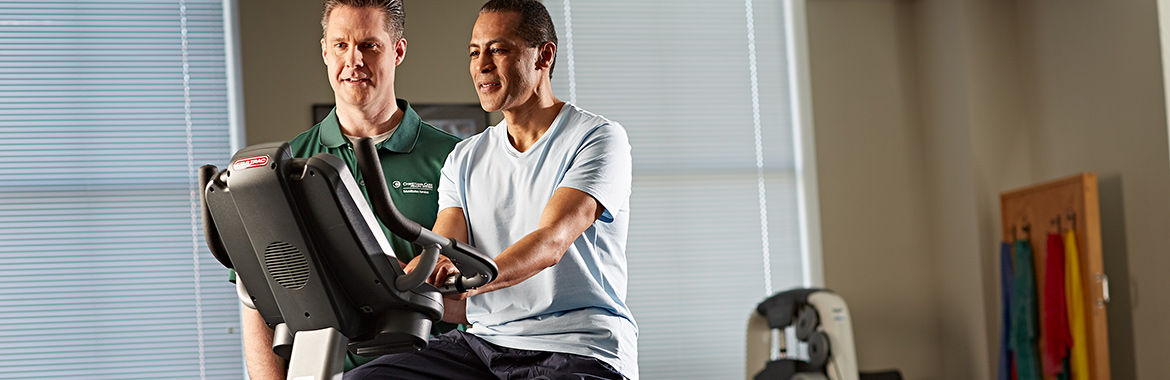
Rehabilitation Services is here to help you either come back strong enough from an injury or recuperate from illness or surgery,
Whether your goal is to come back strong enough from an injury or to recuperate from illness or surgery, ChristianaCare Rehabilitation Services is Delaware’s leading team for getting you back on the road to your best health.
While the world is changing, our commitment to you never will. We’re working to make sure that your health care is safe and feels as normal as possible. Through our outpatient facilities across the region and our virtual care options, we have redesigned care so that you can best connect with our experts in physical, occupational, speech and audiology therapies. We’re a partner every step of the way in your care plan.

Contact Us
To make an appointment, call 302-623-1500.
You can call our outpatient facilities or send a message to “Rehabilitation Services Physical, Occupational, Speech Therapy” on the ChristianaCare Patient Portal to discuss how we can best help you to meet your goals.
Virtual visits are currently available with the speech, occupational and physical therapists, so you can get help right from the convenience of your home.
For those requiring intensive inpatient rehabilitation services, our team at the renowned, CARF-accredited Center for Rehabilitation at Wilmington Hospital is still serving patients with Love and Excellence. We can help you to rebuild strength, improve mobility and re-learn the skills of daily living as you progress toward home.
Rehabilitation & Therapy Care A-Z Services List
Cancer rehabilitation focuses on practical day-to-day issues such as maximizing strength and adjusting to physical challenges at work, at home or at play.
Reclaim your independence with expert rehabilitation therapy.
Sometimes you need physical, occupational, or speech therapy. Emotional support can also help, particularly from others facing common issues.
If you need help re-learning how to take care of daily tasks, occupational therapy can help you reclaim your independence.
Pediatric Rehabilitation Services
When your child’s movement, speech or hearing is restricted, life can be challenging. We can help.
Physical Medicine and Rehabilitation
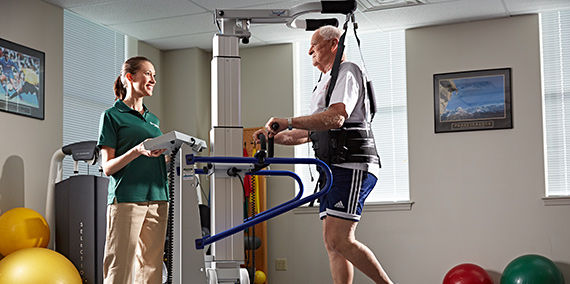
A branch of medicine that focuses on medical conditions affecting the brain, spinal cord, nervous system, bones, joints, tendons, and ligaments.
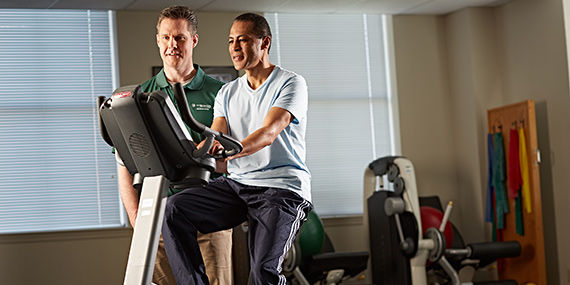
ChristianaCare experts in physical therapy are important partners every step of the way in your care plan.
Rehabilitation Services Locations
ChristianaCare offers physical therapy and specialty rehabilitative services at locations throughout New Castle County, Kent County and in Concord Township, PA.
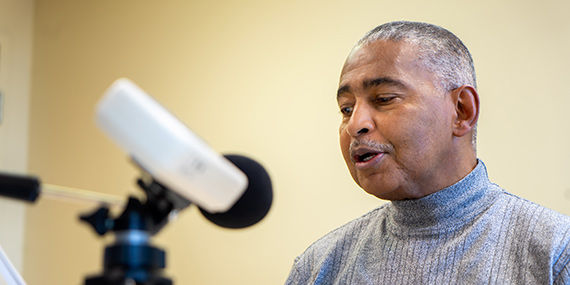
Communication keeps us connected. Our pathologists help both adults and children overcome vocal challenges and speech impairments.
Stroke and Traumatic Brain Injury Rehabilitation
From inpatient care to recovery at home, ChristianaCare’s Stroke and Brain Injury programs are uniquely designed to help.